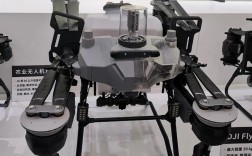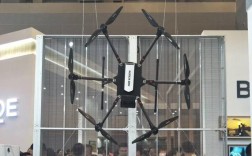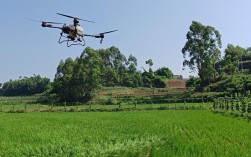
The integration of unmanned aerial vehicles (UAVs), commonly known as drones, into agriculture has sparked a transformative revolution, reshaping traditional farming practices and paving the way for highly efficient, sustainable, and data-driven agriculture. Often referred to as "precision agriculture 2.0," this technological shift leverages drones to address longstanding challenges such as resource inefficiency, labor shortages, and environmental degradation, ultimately optimizing crop yields while minimizing costs and ecological impact.
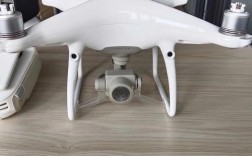
At the core of this revolution is drones’ ability to perform tasks with unparalleled speed and accuracy. Equipped with high-resolution cameras, multispectral sensors, LiDAR, and thermal imaging, drones can capture detailed aerial imagery of farmland, providing farmers with real-time insights into crop health, soil conditions, and pest infestations. For instance, multispectral sensors detect variations in light reflection across crops, enabling early identification of nutrient deficiencies, diseases, or water stress—often before they are visible to the naked eye. This early detection allows for targeted interventions, such as precision spraying of fertilizers or pesticides, reducing unnecessary chemical use by up to 50% compared to traditional blanket application. Similarly, thermal imaging identifies areas of crop stress caused by irregular irrigation, enabling farmers to adjust water distribution efficiently and conserve this critical resource.
Drones also excel in large-scale monitoring and data analysis. A single drone can survey hundreds of acres in a fraction of the time it would take manual labor, generating detailed maps of field variability. These maps, processed through AI-driven software, help farmers make informed decisions about planting patterns, seeding density, and harvesting schedules. For example, by analyzing soil moisture and nutrient levels, drones can guide variable rate technology (VRT) systems to apply inputs only where needed, optimizing resource allocation. In livestock farming, drones monitor grazing patterns, track animal health, and even deter predators, reducing labor costs and improving herd management.
The economic and environmental benefits of drone agriculture are substantial. By reducing overuse of chemicals and water, farmers lower production costs while mitigating pollution and soil degradation. Studies indicate that drone-powered precision farming can increase crop yields by 15–20% through timely interventions and optimized resource use. Moreover, drones enhance safety by eliminating the need for workers to handle hazardous chemicals or operate heavy machinery in challenging terrain. As drone technology becomes more accessible, with costs declining and capabilities expanding, even small-scale farmers are adopting these tools to compete in global markets.
To illustrate the impact, consider the following comparison of traditional farming versus drone-enabled precision farming:
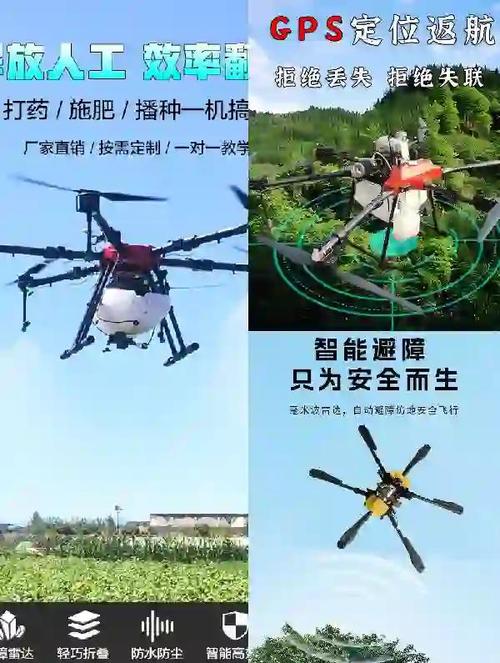
| Aspect | Traditional Farming | Drone-Enabled Precision Farming |
|---|---|---|
| Crop Monitoring | Manual scouting; time-consuming; prone to human error | Real-time aerial imaging; early detection of issues |
| Input Application | Blanket spraying; overuse of chemicals/water | Targeted application; 30–50% reduction in inputs |
| Labor Requirements | High; dependent on manual labor | Reduced; automated data collection and analysis |
| Yield Optimization | Variable; often limited by delayed interventions | 15–20% increase yield through precise actions |
| Environmental Impact | Higher chemical runoff; soil/water pollution | Sustainable; minimized ecological footprint |
Despite its promise, the drone agriculture revolution faces challenges, including regulatory hurdles, high initial investment costs, and the need for technical training to operate and interpret drone data. However, advancements in AI, 5G connectivity, and affordable drone models are gradually addressing these barriers, making the technology more inclusive.
In conclusion, drones are not merely tools but catalysts for a paradigm shift in agriculture. By merging aerial technology with data analytics, they enable farmers to cultivate smarter, greener, and more productive farms, ensuring food security for a growing global population while preserving natural resources for future generations. As this revolution unfolds, the synergy between drones and agriculture will continue to redefine the boundaries of what is possible in farming.
FAQs
-
How do drones improve crop health monitoring compared to traditional methods?
Drones use advanced sensors (multispectral, thermal, LiDAR) to capture detailed aerial imagery that detects subtle changes in crop health, such as nutrient deficiencies, diseases, or water stress, often before visible to the human eye. This allows for early, targeted interventions, unlike traditional manual scouting, which is slower, less accurate, and prone to missing early signs of issues.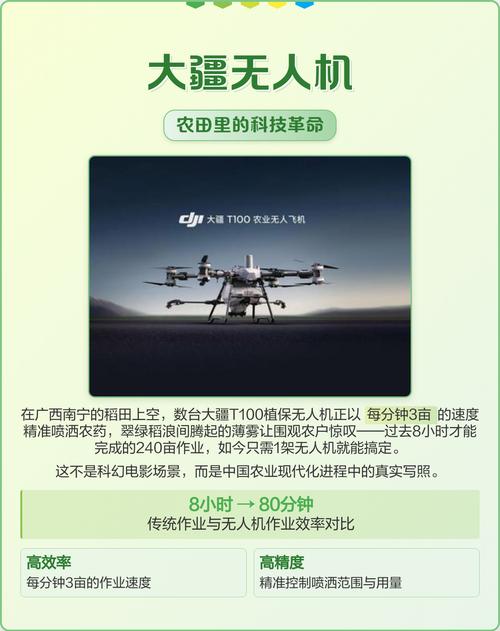 (图片来源网络,侵删)
 -
What are the main challenges preventing widespread adoption of drones in agriculture?
Key challenges include high initial costs for equipment and software, regulatory restrictions on drone flights in certain regions, the need for specialized training to operate drones and analyze data, and concerns about data privacy and cybersecurity. However, falling technology costs, supportive government policies, and user-friendly interfaces are gradually overcoming these barriers.