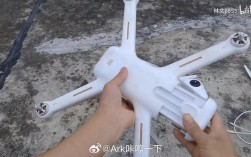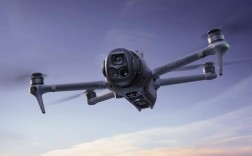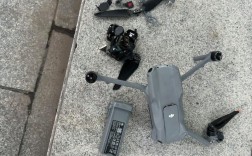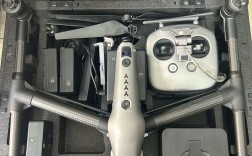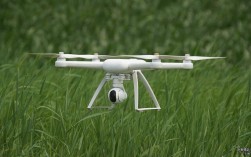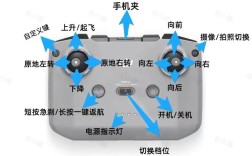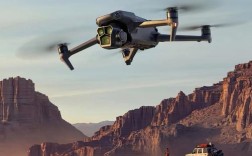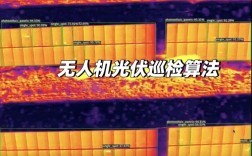
Drones, also known as Unmanned Aerial Vehicles (UAVs), have emerged as transformative tools across various industries, leveraging their ability to operate without human onboard presence to perform tasks efficiently and safely. These versatile aircraft, ranging from small quadcopters to large fixed-wing models, are equipped with cameras, sensors, and other payloads, enabling them to capture data, monitor environments, and deliver services in ways previously impossible or impractical. Their applications span agriculture, military, logistics, photography, disaster management, and more, driven by advancements in AI, GPS, and battery technology. Below is a detailed exploration of their key roles, benefits, and challenges, followed by a FAQs section.

Core Functions and Applications of Drones
-
Agriculture and Farming
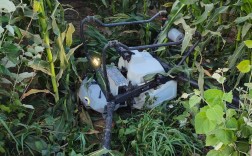
Drones have revolutionized modern agriculture by enabling precision farming. Equipped with multispectral cameras, they can monitor crop health, detect pest infestations, and assess soil moisture levels with high accuracy. This data allows farmers to optimize irrigation, fertilization, and pesticide use, reducing costs and environmental impact. For example, drones can cover large farms in hours, a task that would take days manually. They also support crop spraying, ensuring even distribution of chemicals while minimizing human exposure to toxins.Table: Drone Applications in Agriculture
| Function | Technology Used | Benefit |
|----------------------------|------------------------------|---------------------------------------------|
| Crop Monitoring | Multispectral sensors | Early detection of diseases/stress |
| Precision Spraying | GPS and AI algorithms | Reduced chemical use, targeted application |
| Soil Analysis | Thermal imaging | Optimized irrigation and nutrient management| -
Military and Defense
One of the earliest adopters of drone technology, the military uses UAVs for reconnaissance, surveillance, and combat missions. Drones like the Predator and Global Hawk can gather real-time intelligence over hostile territories without risking pilot lives. They are also deployed for targeted strikes, offering precision and reducing collateral damage. Additionally, drones enhance border security by monitoring vast areas and detecting unauthorized activities. -
Logistics and Delivery
Companies like Amazon and Zipline are pioneering drone delivery services to transport goods quickly, especially in remote or hard-to-reach areas. Drones bypass traffic congestion and deliver medical supplies, food, and packages within minutes. For instance, Zipline uses drones to deliver blood and vaccines in rural Africa, saving lives by cutting delivery times from hours to minutes. (图片来源网络,侵删)
 -
Photography and Filmmaking
Drones have democratized aerial photography, enabling filmmakers, photographers, and content creators to capture stunning visuals previously only possible with helicopters. Their stability, maneuverability, and high-resolution cameras make them ideal for shooting landscapes, events, and action sequences. Industries like real estate also use drones to showcase properties with immersive aerial tours. -
Disaster Management
During natural disasters such as earthquakes, floods, or wildfires, drones play a critical role in search-and-rescue operations. Equipped with thermal cameras, they can locate survivors in debris or isolated areas. They also assess damage to infrastructure, map disaster zones, and deliver emergency supplies to inaccessible locations. For example, after Hurricane Maria, drones helped Puerto Rico restore communication by assessing damaged cell towers. -
Infrastructure Inspection
Inspecting bridges, power lines, wind turbines, and pipelines is dangerous and time-consuming for humans. Drones equipped with high-definition cameras and LiDAR sensors can perform these inspections safely and efficiently. They identify cracks, corrosion, or structural flaws, allowing for timely maintenance and preventing catastrophic failures. -
Environmental Monitoring
Drones track deforestation, monitor wildlife populations, and collect data on air and water quality. In the Amazon, they help illegal logging and mining activities, while in the Arctic, they study ice melt patterns. This data is crucial for climate research and conservation efforts. (图片来源网络,侵删)
Advantages and Challenges
Advantages
- Cost-Effectiveness: Drones reduce labor and operational costs compared to traditional methods.
- Safety: They minimize human exposure to hazardous environments.
- Efficiency: Drones cover large areas quickly and provide real-time data.
- Accessibility: They reach remote or inaccessible locations with ease.
Challenges
- Regulations: Strict airspace rules and privacy concerns limit drone operations in some regions.
- Battery Life: Limited flight duration restricts long-range missions.
- Security Risks: Drones can be hacked or used maliciously, posing safety threats.
- Public Perception: Noise pollution and privacy issues have led to public resistance in some areas.
FAQs
Q1: Are drones legal for commercial use?
A1: Yes, but regulations vary by country. In the U.S., the Federal Aviation Administration (FAA) requires commercial drone operators to obtain a Part 107 license, register their drones, and follow rules such as flying below 400 feet and avoiding restricted airspace. Other countries have similar frameworks to ensure safe and responsible drone operations.
Q2: How long can drones stay airborne?
A2: Flight time depends on the drone type and battery capacity. Consumer drones typically fly for 20–30 minutes, while industrial or military models can stay airborne for several hours using hybrid fuel-electric systems or advanced batteries. Innovations in battery technology are continuously extending flight durations.
In conclusion, drones have become indispensable tools across industries, offering unparalleled efficiency, safety, and data-gathering capabilities. While challenges remain, ongoing technological advancements and regulatory improvements promise to expand their role further, shaping a smarter and more connected future.